Reviewing Jesus is the Light of the World for Embroidery
As a designer who spends more time staring at stitch simulations than most people care to admit, I approach every new machine embroidery design with a mix of curiosity and skepticism. When I first encountered the Jesus is the Light of the World graphic, my initial reaction was driven by its potential application in real-world projects rather than just its visual appeal on a screen. This isn't just another digital asset; it is a statement piece that requires careful consideration of how it translates from a digital embroidery file to a tangible, stitched reality.
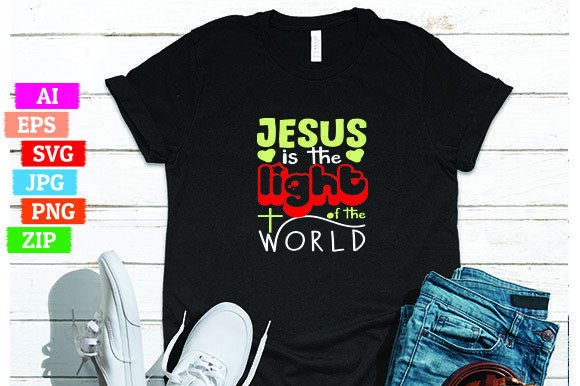
The mood this design creates is one of warmth and reassurance. Visually, it carries a spiritual weight that demands respect in its execution. The layout appears balanced, suggesting a theme centered around hope and guidance. For those of us running a craft business or managing an Etsy shop, the visual personality of a design dictates its marketability. This particular piece feels naturally suited for items meant to offer comfort or serve as a focal point of faith-based decor. It is not overly cluttered, which is often a red flag for embroidery, but it possesses enough character to stand out on a finished product.
Real-World Application: The Custom Tote Bag Scenario
To truly evaluate this design, I imagined a specific client request: a custom embroidered tote bag for a church youth group retreat. In this scenario, the Jesus is the Light of the World design would be the centerpiece. Imagine stitching this onto a heavy canvas tote. The durability of the bag matches the permanence of the message. However, the success of this project hinges on how the design handles the fabric texture. Canvas has a distinct weave, and if the stitch density of the design is too low, the fabric might peek through, ruining the solid look of the text or graphical elements.
If this design relies heavily on satin stitch for the lettering, it will provide a beautiful, glossy sheen that catches the light—fitting for the "Light" theme. Conversely, if it utilizes a fill stitch for larger graphical components, we need to ensure the underlay is sufficient to prevent puckering on the flexible tote material. For a small shop product like this, the perceived value increases significantly when the stitching looks crisp and professional. A customer holding this bag should feel they are carrying something substantial, not a flimsy promotional item.
Versatility Across Apparel and Home Decor
Beyond tote bags, the versatility of this design opens doors for various custom apparel options. Picture it on the chest of a navy blue sweatshirt. The contrast between the thread colors and the dark fabric could be striking, provided the design includes enough brightness to pop against the background. This makes it an excellent candidate for sweatshirt embroidery during cooler months or for holiday gifts. Similarly, for baby embroidery, such as a onesie or a nursery blanket, the design would need to be scaled down. Here, the level of detail becomes critical. Tiny lettering can easily become a blob of thread if the original graphic wasn't vectorized with embroidery constraints in mind.
For home decor enthusiasts, this design fits beautifully on pillow covers or kitchen tea towels. A white linen towel with this message stitched in gold or yellow threads creates a welcoming kitchen atmosphere. It serves as both a functional handmade product and a piece of nursery decor or living room accent. The key is matching the thread palette to the intended environment. Warm tones enhance the "light" aspect, while cooler tones might make it feel more modern and subdued.
Technical Considerations and Potential Pitfalls
While the aesthetic potential is high, there are areas where caution is necessary. If you plan to use this on curved surfaces like caps or hats, the design's width and complexity must be evaluated. Caps are notoriously difficult for wide designs; if Jesus is the Light of the World is too wide, it will distort around the curve of the crown, making the text unreadable. In such cases, it might be better suited for a flat embroidered patch that is then applied to the cap, rather than direct stitching.
Another concern is the performance on stretchy or thin fabrics. If a customer requests this on a lightweight t-shirt, the stabilizer choice becomes paramount. Without proper backing, the weight of the stitches could cause the garment to sag or pucker permanently. Furthermore, detailed corners in the typography or graphical elements can be problematic if the digitizing isn't precise. Sharp corners often pull inward during stitching, rounding off the letters and losing the intended sharpness of the design.
We must also consider products that undergo frequent washing. High-density areas can become stiff and uncomfortable against the skin, particularly on baby clothes or inner-collar placements. Testing the design on scrap fabric identical to the final product is non-negotiable. This allows you to check thread tension, color contrast, and how the design holds up after a wash cycle. It is always wise to test the design in black and white mockups first to ensure the shape remains recognizable even without color reliance.
Enhancing Brand Value and Customer Trust
From a business perspective, using a well-executed design like this directly impacts brand consistency and customer trust. When an Etsy seller delivers a personalized gift that looks professionally finished, it encourages repeat business. The clarity of the stitching reflects the quality of the maker. If the Jesus is the Light of the World design appears muddy or poorly defined, it detracts from the perceived value of the entire finished product.
For those creating printable mockups or digital previews for their online stores, this design offers strong visual hooks. Its clear message resonates emotionally, which drives buyer engagement. However, honesty in presentation is vital. Ensure your mockups accurately represent the texture and dimension of the actual embroidery, rather than presenting it as a flat print. This manages customer expectations and reduces return rates.
Final Designer Notes and Best Practices
Before committing to a production run or listing this as a commercial embroidery asset, there are several practical steps to take. First, verify the licensing terms. Since this item is categorized under Freebies and Graphics, confirm whether it allows for commercial use on physical goods or if it is for personal use only. Never assume; always read the specific license included with the download.
- Check File Formats: Ensure the download includes the specific embroidery file format compatible with your machine (e.g., PES, DST, EXP).
- Inspect Stitch Count: While exact counts aren't always listed, estimate the density. High stitch counts may require heavier stabilizers.
- Thread Selection: Choose high-quality threads that resist fading, especially for items like holiday embroidery that might be stored for long periods.
- Hoop Size: Confirm the design fits within your available hoop sizes without needing excessive re-hooping, which can lead to alignment issues.
- Fabric Testing: Always stitch a sample on the actual fabric type you intend to sell.
In conclusion, Jesus is the Light of the World holds significant promise for designers looking to create meaningful, faith-based products. Its success lies not just in the digital image, but in the thoughtful translation of that image into thread and fabric. By paying attention to fabric compatibility, stitch quality, and licensing details, you can transform this graphic into a cherished handmade product that brings value to your customers and integrity to your brand.